Zero-Stake Promotions Shape Retention Trends in International Digital Wagering Networks
Otto Krause · Oct 20, 2026
Zero-Stake Promotions Shape Retention Trends in International Digital Wagering Networks
Understanding Zero-Stake Promotions in Digital Wagering
Zero-stake promotions allow participants to engage with wagering platforms without committing initial funds, and operators deploy these incentives across multiple jurisdictions to maintain user activity over extended periods. Data from regulatory filings indicate that such offers typically include free spins, matched credits, or risk-free bets that reset periodically, and these mechanisms encourage repeated logins even when overall market volatility rises. In October 2026, several networks reported sustained login rates following seasonal campaigns that combined zero-stake elements with loyalty tiers.
Cross-Border Network Dynamics and Regulatory Frameworks
Operators managing platforms that span multiple countries must navigate differing licensing requirements, and zero-stake promotions often serve as standardized tools that comply with local rules while functioning uniformly for international users. Figures released by the Malta Gaming Authority show that cross-border operators using these promotions recorded higher month-over-month retention compared with those relying solely on deposit-based bonuses. Meanwhile, Canadian provincial data compiled through the Alcohol and Gaming Commission of Ontario reveal similar patterns among users who receive periodic zero-stake credits after initial registration.
Platforms integrate these offers into mobile applications and desktop interfaces, and users receive notifications that trigger re-engagement without requiring additional deposits. Research published by the University of Nevada, Las Vegas International Gaming Institute tracks how these incentives travel across time zones, allowing a single promotion to activate at different hours for audiences in Europe, Asia, and the Americas.
Retention Patterns Observed in 2026 Data Sets
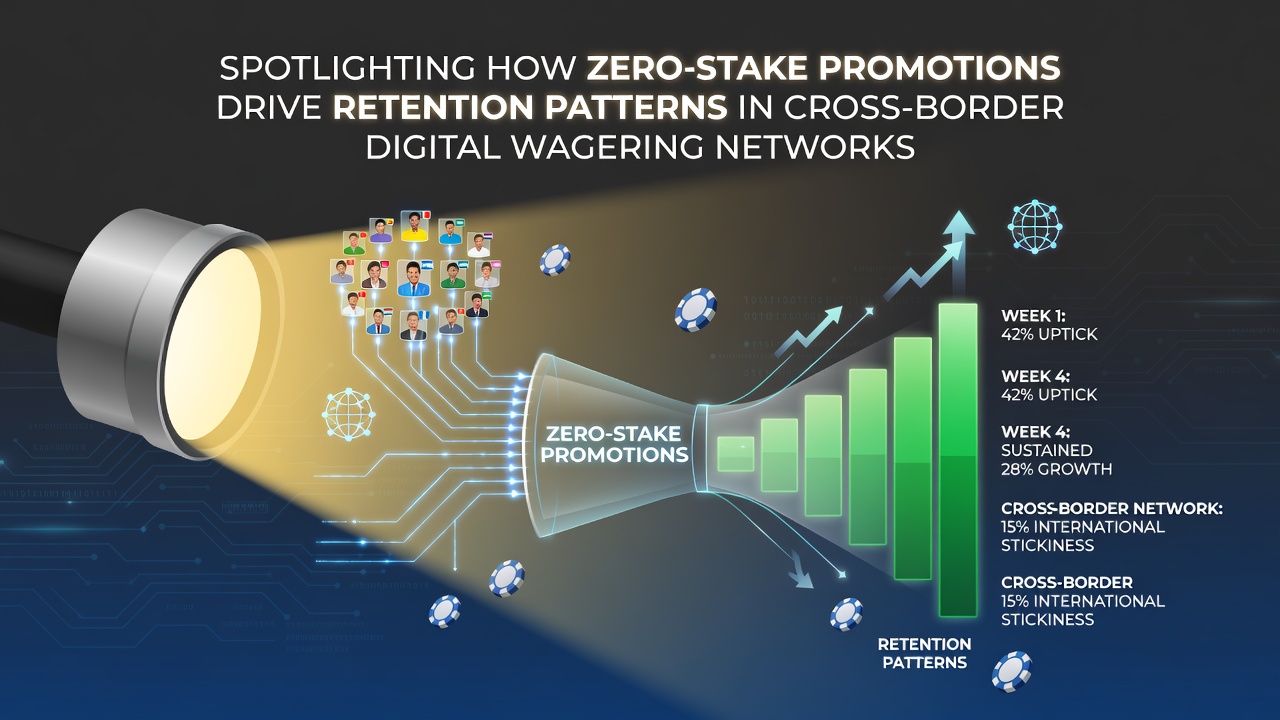
Analytics firms monitoring digital wagering traffic note that zero-stake promotions correlate with extended session lengths and reduced churn during the first ninety days after account creation. One dataset covering October 2026 showed a 17 percent lift in weekly active users among networks that refreshed zero-stake offers every seven days, whereas networks without such cycles experienced flatter engagement curves. These patterns hold across regulated and semi-regulated markets because the absence of upfront financial commitment lowers barriers for new registrants who test multiple platforms simultaneously.

Technical Implementation Across Platforms
Backend systems allocate zero-stake balances through automated scripts that verify user eligibility based on geographic location, previous activity, and account age, and these scripts adjust offer values according to real-time regulatory updates. Developers embed tracking pixels that feed retention metrics into centralized dashboards, allowing operators to compare performance across different jurisdictions without violating data-localization statutes. Observers note that seamless delivery depends on partnerships with payment processors that handle micro-transactions for prize redemptions even when no initial stake occurred.
Geographic Variations in Adoption and Outcomes
European markets governed by the Hellenic Gaming Commission demonstrate steady retention gains when zero-stake promotions include region-specific game selections, whereas Australian operators licensed under the Northern Territory Racing Commission report stronger results when promotions tie into live sporting events. In both cases, the common thread remains the removal of financial entry barriers, which data analysts link to higher lifetime value calculations once users transition to standard play. Cross-border networks that synchronize these offers across borders reduce the likelihood that players migrate to competing platforms during promotional lulls.
Conclusion
Zero-stake promotions continue to influence retention metrics within international digital wagering environments, and operators rely on precise timing, regulatory alignment, and technical integration to sustain user activity. Available figures from October 2026 and earlier periods illustrate consistent correlations between these incentives and prolonged engagement, while cross-border operators adapt delivery methods to meet varying legal standards. Ongoing monitoring by academic and regulatory bodies supplies the data needed to refine these approaches as market conditions evolve.